Kanazawa is one of Japan’s most enchanting cities, a place where tradition and modernity blend seamlessly. Located on the Sea of Japan coast, Kanazawa has long been admired for its preserved Edo-era districts, exquisite gardens, rich samurai history, and vibrant contemporary art scene. If you’re looking for a destination that captures the heart of Japanese culture without the overwhelming crowds of Tokyo or Kyoto, Kanazawa is the perfect choice.
This Kanazawa location holiday guide will take you through the top attractions that make this city a must-visit destination. From serene gardens and historic castles to lively markets and hidden samurai districts, Kanazawa has something to captivate every traveler.
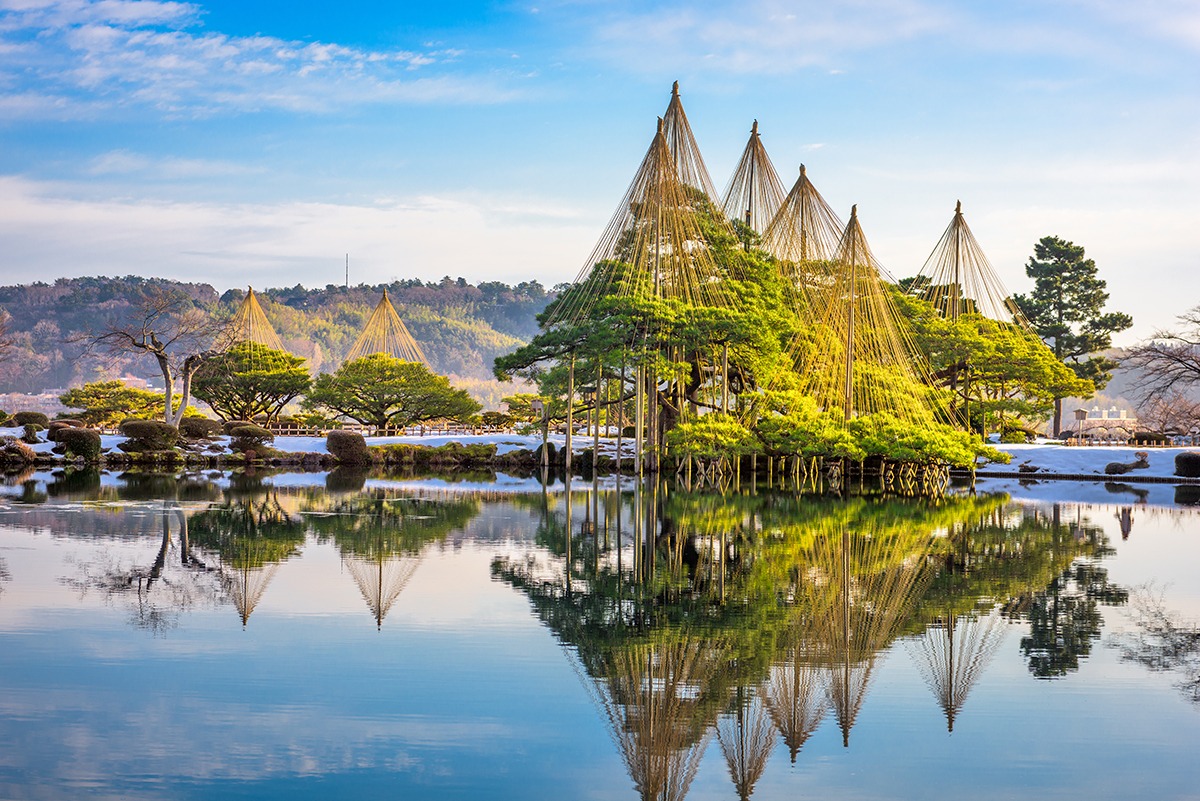
1. Kenrokuen Garden – A Living Masterpiece of Nature
Kenrokuen Garden is the crown jewel of Kanazawa. Recognized as one of Japan’s “Three Great Gardens,” it is a breathtaking blend of artistry and natural beauty. Spread across 25 acres, the garden is carefully designed to embody the six classical attributes of a perfect landscape garden: spaciousness, seclusion, artifice, antiquity, waterways, and scenic views.
One of the garden’s highlights is Kasumiga-ike Pond, a tranquil centerpiece surrounded by seasonal flora that transforms dramatically with each passing season. The Kotoji-toro Lantern, with its two-legged design extending gracefully into the water, has become an iconic symbol of Kenrokuen and Kanazawa itself. Spring visitors are treated to an explosion of cherry blossoms, while winter transforms the garden into a magical wonderland, with trees adorned in yukitsuri, ropes used to protect them from heavy snow.
To truly experience Kenrokuen at its finest, visit early in the morning when the air is crisp and the crowds are few. Alternatively, winter evenings bring a different charm, when snow and lights combine to create a serene, dreamlike atmosphere. It’s not just a garden—it’s an immersive journey into Japan’s philosophy of harmony between man and nature.
2. Kanazawa Castle – A Symbol of Samurai Power
Right next to Kenrokuen lies the majestic Kanazawa Castle, the historical seat of the powerful Maeda clan, who ruled the Kaga Domain during Japan’s feudal era. The castle has undergone numerous reconstructions, but today it stands as a striking reminder of samurai-era architecture and defense.
The Ishikawa-mon Gate, dating back to 1788, welcomes visitors with its formidable presence. Inside, structures such as the Gojikken Nagaya (long storehouse) and Hishi Yagura (diamond-shaped turret) reveal the intricate craftsmanship of the time. Beyond the castle walls, the Gyokusen’inmaru Garden provides a peaceful retreat with its picturesque ponds and manicured landscapes.
While the castle grounds are beautiful during the day, evenings offer a different kind of magic. The castle is illuminated with soft lights, highlighting its white plaster walls against the night sky. Strolling here at night feels like stepping into another world, where samurai whispers still linger in the air.
3. Higashi Chaya District – The Old World Charm of Tea Houses
No Kanazawa location holiday guide would be complete without mentioning the Higashi Chaya District. This beautifully preserved area transports visitors back to the Edo period, when it served as an entertainment hub filled with traditional tea houses (chaya), geisha performances, and lively gatherings.
Walking along its narrow cobbled streets, you’ll find rows of elegant wooden buildings that retain their historical charm. Among them, the Shima Tea House Museum offers a glimpse into the refined world of geisha entertainment, complete with tatami rooms, musical instruments, and artifacts. The district is also known for shops selling gold leaf products, a Kanazawa specialty—perfect for unique souvenirs.
For a more immersive experience, stop by one of the functioning tea houses to enjoy a traditional Japanese tea ceremony. Alternatively, wander the alleyways at dusk, when lanterns begin to glow softly, creating an enchanting, almost otherworldly atmosphere. The district offers a perfect balance of history, culture, and quiet beauty.
4. 21st Century Museum of Contemporary Art – Where Tradition Meets Innovation
Kanazawa isn’t just about history; it also embraces the modern world with creativity and flair. The 21st Century Museum of Contemporary Art is a striking example of this, standing out with its bold circular design and glass walls that blur the boundaries between indoor and outdoor space.
The museum is best known for its interactive installation, “The Swimming Pool” by Leandro Erlich, which allows visitors to appear as though they are standing underwater. Alongside this, rotating exhibitions showcase cutting-edge works from contemporary artists around the globe, offering fresh perspectives and thought-provoking experiences.
Even if you don’t purchase a ticket, the museum grounds themselves are worth exploring. The outdoor installations are free to access and provide a playful yet reflective atmosphere, making it a great spot for families, art lovers, and anyone looking for a creative break from historical sightseeing.
5. Nagamachi Samurai District – Walking in the Footsteps of Warriors
The Nagamachi Samurai District is where the samurai spirit of Kanazawa comes alive. This well-preserved area once housed the residences of samurai and their families, and today it retains its authentic feel with narrow stone-paved lanes, earthen walls, and traditional wooden homes.
The highlight of this district is the Nomura Samurai House, a restored residence that offers visitors a peek into the life of a high-ranking samurai family. Inside, you’ll find beautifully maintained tatami rooms, samurai armor, historical artifacts, and a serene inner garden that reflects the refined taste of the era.
Nagamachi is particularly enchanting in winter, when snow blankets the streets and rooftops, creating a timeless postcard-perfect scene. Spring, on the other hand, fills the district with greenery, making it equally delightful. Walking through Nagamachi is like stepping into a history book—except here, you can touch the walls, breathe the air, and imagine the footsteps of samurai echoing behind you.
6. Myoryuji Temple – The Mysterious Ninja Temple
Kanazawa has its fair share of intriguing historical sites, and Myoryuji Temple, popularly known as the Ninja Temple, is one of the most fascinating. Despite its nickname, the temple has no real connection to ninjas. Instead, it earned this reputation because of its ingenious architectural design, which incorporates secret passages, trap doors, hidden staircases, and defense mechanisms.
Built during the Edo period under the Maeda clan, the temple was cleverly designed to serve as a fortress in case of attack. From the outside, it appears like a modest two-story structure, but in reality, it conceals four floors with 23 rooms and 29 staircases. The layout was intentionally confusing, designed to mislead enemies and provide escape routes for its inhabitants.
A visit to Myoryuji is only possible through guided tours, which must be reserved in advance. These tours are highly recommended because they reveal the clever design strategies behind the temple’s construction—sliding doors that hide staircases, trapdoors leading to escape tunnels, and watchtowers disguised as prayer rooms.
The Ninja Temple is not just an architectural marvel; it also gives insight into the turbulent times when warlords and samurai had to be constantly vigilant. For those who enjoy puzzles, mysteries, and history blended together, this spot is a highlight of Kanazawa.
7. Omicho Market – A Feast for the Senses
If you want to taste the true flavors of Kanazawa, there’s no better place than Omicho Market. Operating since the Edo period, this lively market is the beating heart of the city’s food culture. Known as “Kanazawa’s kitchen,” it offers a dazzling array of fresh seafood, local vegetables, and regional delicacies.
Seafood lovers will be in heaven here. Kanazawa is particularly famous for its crabs, which are at their peak in winter, as well as tuna, yellowtail, and delicate sashimi. A must-try dish is the kaisendon, a rice bowl topped with an assortment of fresh sashimi that’s both delicious and affordable.
Beyond seafood, the market also highlights Kanazawa’s Kaga vegetables, a collection of unique local produce cultivated in the region for centuries. Stalls overflow with seasonal colors, aromas, and flavors, making it an exciting place to wander and sample snacks on the go.
The best time to visit Omicho Market is in the morning, when fishermen bring in their freshest catches of the day. Many stalls double as small eateries, where you can sit down and enjoy a freshly prepared seafood meal. For food enthusiasts, this is more than just a shopping trip—it’s a cultural experience that connects you to Kanazawa’s rich culinary heritage.
Conclusion – Why Kanazawa Deserves a Spot on Your Travel List
Kanazawa is a city where history, culture, and artistry coexist in perfect harmony. From the tranquil beauty of Kenrokuen Garden to the mysterious passages of Myoryuji Temple, every corner of the city tells a unique story. The preserved charm of the Higashi Chaya District transports you back to the Edo era, while the 21st Century Museum of Contemporary Art reminds you that Kanazawa is also forward-looking and innovative. Add in the mouthwatering seafood at Omicho Market, the peaceful reflection at the D.T. Suzuki Museum, and the aristocratic elegance of Seisonkaku Villa, and you begin to see why Kanazawa is one of Japan’s most fascinating destinations.
This Kanazawa location holiday guide shows that whether you’re a lover of history, art, nature, or food, the city has something special to offer. Unlike larger tourist hubs, Kanazawa retains an intimate, welcoming charm. It’s a place where you can wander samurai streets in the morning, enjoy modern art in the afternoon, and savor fresh seafood in the evening—all without the overwhelming crowds.
So, if you’re looking for a destination that combines timeless beauty with authentic experiences, Kanazawa should be at the top of your list. It’s more than just a stop on a Japan itinerary—it’s a journey into the soul of the country.
FAQs About Visiting Kanazawa
1. When is the best time to visit Kanazawa?
Spring (cherry blossom season) and autumn (fall foliage) are the most popular times, but winter also offers unique beauty with snow-covered landscapes and seasonal seafood like crabs.
2. How many days should I spend in Kanazawa?
Two to three days are ideal to explore the major attractions, enjoy the local cuisine, and experience the city’s unique cultural blend.
3. Is Kanazawa easy to reach from Tokyo or Kyoto?
Yes! The Hokuriku Shinkansen connects Kanazawa with Tokyo in about 2.5 hours, and it’s around 2 hours from Kyoto or Osaka by limited express train.
4. What local foods should I try in Kanazawa?
Don’t miss fresh crab, kaisendon (seafood rice bowls), Kaga vegetables, and sweets decorated with gold leaf, a Kanazawa specialty.
5. Is Kanazawa tourist-friendly for first-time visitors to Japan?
Absolutely. While it’s smaller and less crowded than Tokyo or Kyoto, Kanazawa offers English-friendly signs, welcoming locals, and a variety of attractions that make it very accessible for first-time visitors.