Morocco is a country that captures the imagination like few other places on earth, offering an incredible blend of ancient history, vibrant culture, diverse landscapes, and legendary hospitality. From the bustling labyrinthine alleys of imperial cities to the serene and vast expanses of the Sahara Desert, every corner of this North African gem promises a unique adventure for curious travelers. Planning a journey to this beautiful destination requires a bit of insight, preparation, and an open mind to fully appreciate the rich tapestry of traditions that define daily life. Whether you are looking to explore historic architectural wonders, sample world-renowned cuisine, or trek across dramatic mountain ranges, understanding the local customs and logistical realities will ensure a smooth experience. By taking the time to learn the essentials of how to voyager properly, you can transform a standard vacation into a deeply meaningful exploration of a nation where the past and present coexist seamlessly.
Choosing The Perfect Season And Planning Your Travel Itinerary
One of the most important decisions you will make when planning to visiter maroc is determining the best time of year to embark on your journey. The country features a remarkably diverse climate, with coastal regions experiencing mild Mediterranean conditions, while the interior plains and desert areas can face extreme temperature shifts. Spring, spanning from March to May, and autumn, from September to November, are widely considered the ideal windows for a comprehensive tour because temperatures are generally pleasant across most regions. During these shoulder seasons, you can comfortably explore the historic outdoor spaces of the cities without the oppressive heat of the summer months, while also enjoying clear skies in the mountains and desert. If you choose to visit during the summer, focusing on coastal cities like Essaouira or heading high into the Atlas Mountains will provide a welcome escape from the intense heat found in inland hubs like Marrakech.
Crafting a Balanced Route Across the Country
When designing your travel route, it is vital to balance your time between the vibrant urban centers and the breathtaking natural wonders that define the Moroccan landscape. A classic itinerary often begins in the northern or central imperial cities, such as Fes or Marrakech, where you can immerse yourself in centuries of history, architecture, and commerce. From there, many travelers choose to venture south toward the dramatic gorges and valley oases that lead directly to the golden dunes of Merzouga or Zagora. Including a coastal stop allows you to experience the relaxed maritime culture of the Atlantic edge, offering a stark contrast to the intense energy of the interior markets. It is always wise to avoid over-scheduling your days, as some of the best moments in this country happen when you slow down to sip mint tea and watch the world go away around you.
Essential Packing Tips for Changing Environments
Packing for a trip across these varied landscapes requires careful thought and versatility in your wardrobe choices. Because Morocco is a predominantly Muslim country, dressing modestly is a sign of respect and helps you navigate both urban and rural areas with greater ease and comfort. Lightweight, loose-fitting clothing made from breathable fabrics like linen or cotton is ideal for warm days, while long sleeves and trousers protect your skin from the intense sun. However, temperatures can drop drastically at night, especially in the desert regions and high-altitude mountain villages, making it absolutely necessary to pack warm layers, a reliable jacket, and a cozy scarf. Comfortable, durable walking shoes are another non-negotiable item, as you will easily log thousands of steps while navigating the uneven cobblestones and steep steps of the ancient historic districts.
Navigating The Historic Medinas And Masterful Architecture
The heart and soul of Morocco's historic cities reside within their medinas, ancient walled districts that function as living museums filled with homes, workshops, and vibrant market stalls. Stepping inside a medina like the one in Fes el-Bali is like stepping back in time, as these car-free urban spaces have retained their medieval layout and traditional ways of life for centuries. Donkeys and handcarts still serve as the primary modes of transporting goods through the narrow, winding alleys that twist and turn in seemingly endless patterns. While it is incredibly easy to lose your sense of direction within these labyrinthine networks, getting lost is often part of the charm, leading you to hidden squares, local bakeries, and quiet residential courtyards that most tourists completely miss.
Deciphering the Art of Moroccan Craftsmanship
As you wander through the various specialized sections of the markets, known locally as souks, you will be surrounded by an astonishing display of traditional craftsmanship. Master artisans continue to practice trades that have been passed down through generations, creating exquisite textiles, intricate metalwork, hand-carved woodwork, and vibrant pottery. The leather tanneries of Fes offer a spectacular view of ancient processing methods, where workers stand in massive stone vessels filled with natural dyes to treat hides. When shopping in these bustling marketplaces, bargaining is an integral part of the local commerce culture and is viewed as a social interaction rather than a hostile conflict. Approaching the process with a smile, a respectful attitude, and a clear idea of what you are willing to pay will make the experience enjoyable for both you and the merchant.
Iconic Architectural Landmarks You Cannot Miss
Moroccan architecture is celebrated worldwide for its geometric precision, beautiful tilework known as zellij, and majestic horseshoe arches that adorn mosques, palaces, and gateways. In Marrakech, the towering minaret of the Koutoubia Mosque dominates the skyline, serving as a masterpiece of Almohad architecture and a visual anchor for navigating the city. The intricate beauty of the Ben Youssef Madrasa showcases the incredible detail of historic Islamic schools, with its stunning stucco carvings and cedar wood panels reflecting centuries of intellectual and artistic achievement. Exploring the ruins of El Badi Palace or wandering through the preserved courtyards of Bahia Palace allows you to envision the opulent lifestyles of former rulers who spared no expense to showcase their wealth and aesthetic taste through grand design.
Savoring The Rich Culinary Traditions And Local Flavors
To truly understand and appreciate Moroccan culture, one must dive deep into its rich, aromatic, and deeply satisfying culinary heritage. Moroccan cuisine is a magnificent fusion of Berber, Arabic, Andalusian, and Mediterranean influences, characterized by the masterful use of spices like cumin, saffron, cinnamon, ginger, and paprika. Meals are rarely rushed; instead, they are treated as central social rituals that bring family and friends together around a communal table to share large platters of carefully prepared food. From high-end restaurants housed in beautifully restored palaces to humble street food stalls filling the night air with smoke and fragrance, the variety of dining experiences available is bound to delight any food enthusiast.
The Magic of the Tagine and Couscous
The cornerstone of local dining is the tagine, a slow-cooked stew named after the conical clay vessel in which it is prepared over hot charcoal. This unique cooking method allows condensation to rise and fall back onto the ingredients, resulting in incredibly tender meats and perfectly seasoned vegetables infused with complex sweet and savory flavor profiles. Classic variations include chicken with preserved lemons and olives, lamb paired with sweet prunes and toasted almonds, or hearty vegetable combinations seasoned with local herbs. Couscous, the national dish of the country, is traditionally prepared on Fridays following weekly prayers, featuring light, fluffy semolina grains steamed multiple times and topped with a rich broth of seven different vegetables and tender meat.
The Ritual of Moroccan Hospitality and Mint Tea
No discussion of Moroccan food culture would be complete without highlighting the profound significance of Maghrebi mint tea, affectionately known as Moroccan whiskey. This refreshing beverage, made from a blend of green gunpowder tea, fresh spearmint leaves, and a generous amount of sugar, is served throughout the day as an absolute symbol of hospitality. The preparation and pouring of the tea is an art form in itself, with hosts lifting the ornate silver teapot high above the glass to create a delicate layer of froth at the top, which helps release the full aroma of the mint. Accepting a cup of tea when it is offered to you is an important sign of respect and appreciation for your host, providing a perfect opportunity to converse, connect, and learn more about the local way of life.
Venturing Beyond The Cities Into Majestic Landscapes
While the vibrant energy of the imperial cities is undeniably captivating, the true majesty of Morocco often reveals itself when you venture out into its diverse natural landscapes. The country is split by the rugged peaks of the Atlas Mountains, which stretch across the interior and create a dramatic barrier between the mild coastal plains and the arid expanse of the Sahara. These natural regions offer endless opportunities for outdoor adventure, ecotourism, and meaningful cultural exchanges with the indigenous Berber communities who have inhabited these lands for millennia. Exploring the rural landscapes allows you to witness a completely different side of the country, defined by terraced agriculture, ancient mud-brick villages, and pristine ecosystems.
Trekking the Dramatic High Atlas Peaks
For hiking enthusiasts and nature lovers, the High Atlas region serves as an exceptional destination, with Mount Toubkal standing as the highest peak in North Africa. The village of Imlil acts as the primary base camp for hikers looking to conquer this summit or simply enjoy gentle day walks through lush valleys filled with walnut trees and apple orchards. Walking through these mountain paths brings you into direct contact with traditional Berber villages that seem to cling precariously to the rocky hillsides. The hospitality in these mountain communities is legendary, and many travelers choose to stay in local guesthouses where they can enjoy home-cooked meals and learn about ancient agricultural practices that continue to sustain life in this rugged terrain.
Experiencing the Serenity of the Sahara Desert
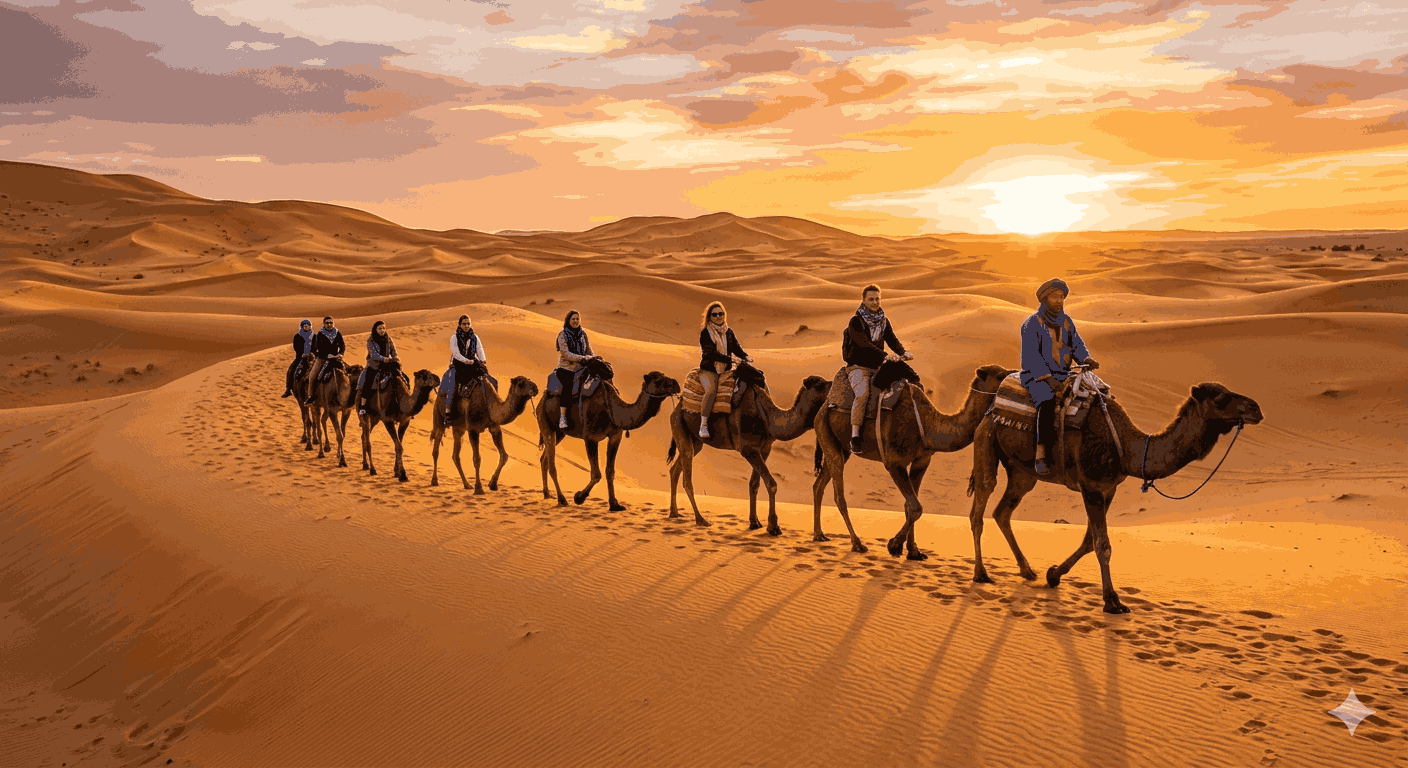
Journeying to the edge of the Sahara Desert is a bucket-list experience that leaves a lasting impression on everyone who makes the trek southward. Arriving at the massive dunes of Erg Chebbi or the more remote expanses of Erg Chigaga, you can trade your motor vehicle for a camel caravan to journey into the heart of the golden sands as the sun begins to set. The shifting colors of the dunes under the late afternoon light create a breathtaking visual spectacle that gives way to an incredibly clear night sky completely free of light pollution. Spending the night in a traditional desert camp, listening to the rhythmic beats of Saharan drums around a crackling campfire, and waking up early to watch the sunrise over the endless horizon is an experience that perfectly encapsulates the mystical allure of North Africa.
Conclusion And Planning Your Ultimate Moroccan Adventure
Morocco stands out as a destination that truly rewards those who approach it with curiosity, patience, and a willingness to step outside their comfort zone. From the moment you enter the bustling, historic medinas to the quiet hours spent under a star-filled desert sky, the country offers a sensory journey that stays with you long after you return home. By carefully selecting your travel dates, respecting local customs through modest dress, and balancing your itinerary between vibrant urban centers and serene natural landscapes, you can create a seamless and profoundly enriching holiday. The warmth of the people, the richness of the food, and the timeless beauty of the architecture ensure that your decision to visiter maroc will result in stories and memories that you will cherish for a lifetime. Start organizing your travel documents, mapping out your dream route, and prepare to immerse yourself in the unforgettable magic of this North African wonderland.
Would you like some recommendations on specific cities to include in your itinerary or advice on local transport options for getting around?