Tanzania represents the ultimate frontier for wildlife enthusiasts and luxury travelers alike, offering a landscape where the raw power of nature meets the serene beauty of the East African plains. When people envision an African adventure, they are often picturing the rolling grasslands of the Serengeti or the dramatic volcanic backdrop of the Ngorongoro Crater. These iconic locations form the heart of safari tours in Tanzania, a destination that has consistently remained at the peak of global travel bucket lists. Planning a journey to this part of the world requires more than just a flight booking; it demands an understanding of the intricate ecosystems, the seasonal movements of millions of animals, and the rich cultural heritage of the people who call this land home. Whether you are a first-time visitor hoping to spot the Big Five or a seasoned photographer looking for the perfect golden hour shot of a stalking leopard, Tanzania offers a variety of experiences that cater to every level of adventure. The country has made significant strides in sustainable tourism, ensuring that the influx of visitors contributes directly to the conservation of its precious natural resources.
The Geography and Biological Diversity of Tanzanian Safaris
To understand the appeal of safari tours in Tanzania, one must first look at the literal meaning of the word itself. Derived from the Swahili word for journey, a safari historically referred to any long distance trip, but today it is synonymous with the observation of wildlife in their natural habitat. Tanzania is uniquely positioned to offer this because it allocates nearly thirty percent of its land to protected areas. This commitment to preservation has created a network of national parks and game reserves that are world renowned for their high concentrations of animals.
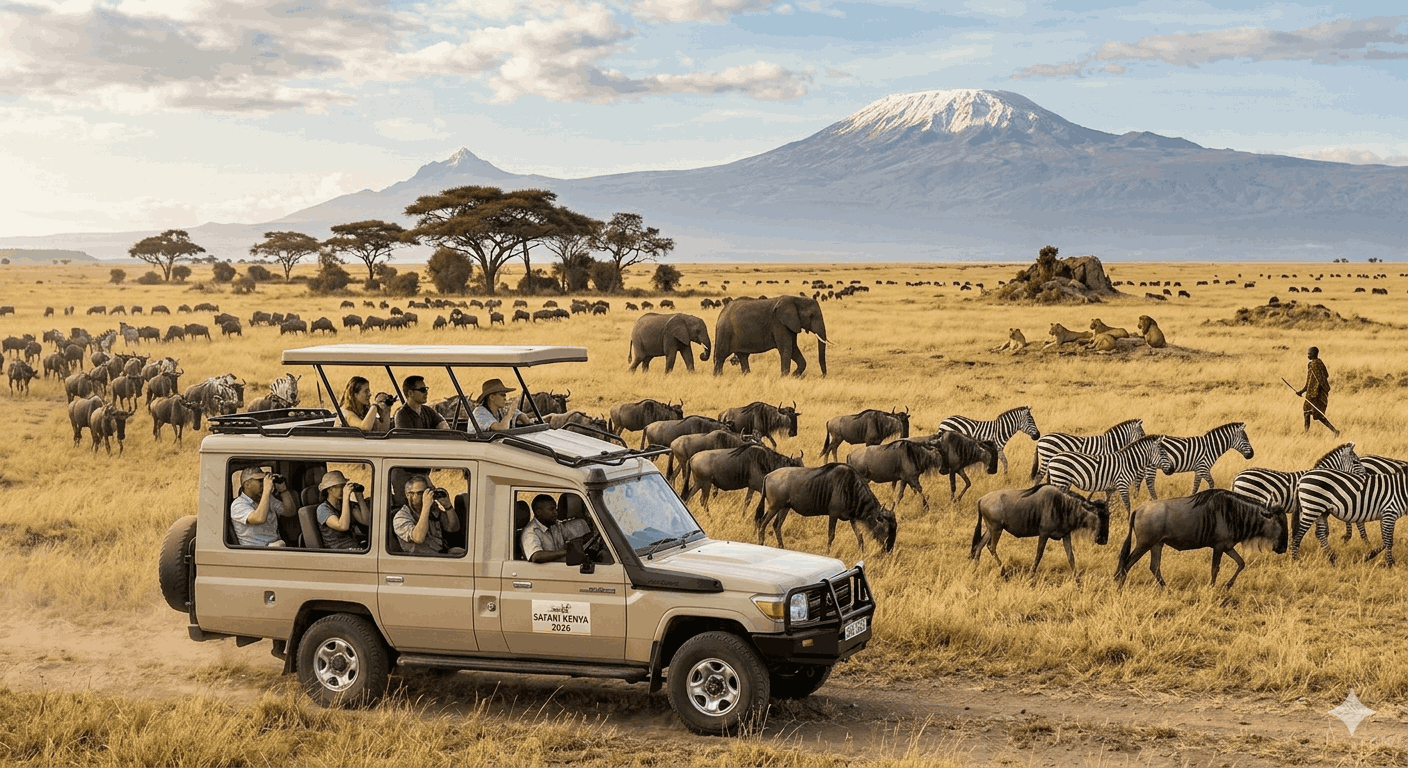
The Northern Circuit is undoubtedly the most popular route for travelers. This region includes the Serengeti National Park, which is famous for the Great Migration. This annual event involves over 1.5 million wildebeest and hundreds of thousands of zebras and gazelles moving in a giant clockwise circle in search of fresh grazing land. Seeing the sheer scale of these herds is a humbling experience that highlights the interconnectedness of the African ecosystem. Nearby, the Ngorongoro Crater provides a completely different environment. As a collapsed caldera, it creates a self contained bowl where wildlife is abundant year round. It is one of the best places in Africa to see the endangered black rhino, as the steep walls of the crater provide a natural sanctuary.
Beyond these famous landmarks, the Southern and Western Circuits offer a more rugged and secluded experience. Parks like Ruaha and Nyerere National Park (formerly Selous) are vast, wild, and receive far fewer visitors. Here, the focus shifts toward walking safaris and boat trips along the Rufiji River. These areas provide a sense of exclusivity and a deeper connection to the wilderness, far from the busier vehicle tracks of the north. For those seeking the ultimate off the beaten path adventure, Mahale Mountains National Park in the west is one of the few places where you can trek to see wild chimpanzees against the backdrop of the crystal clear waters of Lake Tanganyika.
Strategic Planning for Seasonal Wildlife Movements
Timing is everything when it comes to maximizing the quality of your safari tours in Tanzania. The country experiences two distinct rainy seasons and two dry seasons, each of which dramatically alters the landscape and animal behavior. The long dry season, running from June to October, is widely considered the best time for general wildlife viewing. During these months, the vegetation thins out and animals congregate around permanent water sources, making them much easier to spot. This period also coincides with the dramatic river crossings of the Great Migration in the northern Serengeti, where herds must brave crocodile infested waters to reach the Maasai Mara in Kenya.
Conversely, the short rainy season in November and December brings a refreshing green hue to the plains. While the rains can make some remote tracks muddy, this is a beautiful time for birdwatching as migratory species arrive from Europe and Asia. The calving season, which occurs in the southern Serengeti around January and February, is another highlight for many travelers. Thousands of wildebeest calves are born each day, attracting an incredible number of predators like lions, cheetahs, and hyenas. This period offers high octane wildlife encounters and is a favorite for professional photographers who want to capture the raw drama of the predator-prey relationship.
As we look toward the future of travel, current research indicates that tourism in 2026 is becoming a central pillar for Tanzania’s economic advancement and conservation efforts. Travelers are increasingly seeking "meaning over momentum," choosing to stay longer in fewer locations to truly absorb the environment. This shift toward slow travel allows for more intentional encounters, such as spending a full afternoon observing a single pride of lions or engaging in community led conservation projects. By planning your trip during the shoulder seasons of April or May, you can also avoid the peak crowds and enjoy a more private experience, often at a lower price point.
Luxury and Ethical Considerations in Modern Safaris
The concept of the African safari has evolved significantly from the hunting expeditions of the nineteenth century. Today, the focus is on "safari chic" and high end eco-tourism. Professional travel experts frequently highlight how luxury and meaning are now intertwined in the Tanzanian market. Modern travelers want five star service, but they also want to know that their presence is supporting local communities and protecting the environment. Many of the top lodges in Tanzania are now completely solar powered, utilize greywater recycling systems, and employ staff almost exclusively from neighboring villages.
Luxury in Tanzania is often defined by access and privacy rather than just gold fixtures. Staying in a mobile tented camp that moves with the migration allows you to be in the heart of the action while maintaining a low environmental footprint. These camps offer an authentic bush experience with the added comforts of fine dining, plush bedding, and hot bucket showers. For those seeking a more permanent structure, there are architectural marvels built into the rocky kopjes of the Serengeti or perched on the rim of the Ngorongoro Crater, offering panoramic views that are simply unmatched.
Ethical tourism also extends to how you interact with the local culture. The Maasai people are perhaps the most iconic ethnic group in East Africa, and many safari itineraries include a visit to a boma (village). It is important to choose operators who facilitate these visits respectfully, ensuring that the interaction is mutually beneficial and educational. Learning about the Maasai's deep knowledge of the land and their traditional medicinal uses for indigenous plants adds a profound layer of understanding to any safari. This cultural immersion reminds us that Tanzania is not just a giant zoo, but a living, breathing landscape where humans and wildlife have coexisted for millennia.
Conclusion and Your Path to the African Plains
Safari tours in Tanzania offer a rare opportunity to disconnect from the digital world and reconnect with the fundamental rhythms of nature. From the thunderous hooves of the Great Migration to the silent, watchful gaze of a leopard in an acacia tree, every moment spent in the Tanzanian wilderness is a testament to the beauty of our planet. By choosing the right season, selecting an ethical operator, and being willing to explore both the famous parks and the hidden gems, you can create a journey that is as impactful as it is memorable. The investment in such a trip pays dividends in the form of lifelong memories and a renewed perspective on conservation.
As the global travel landscape continues to shift toward more sustainable and intentional experiences, there has never been a better time to plan your Tanzanian adventure. The combination of world class wildlife, stunning landscapes, and warm Tanzanian hospitality creates a destination that truly has no equal. Whether you find yourself flying over the plains in a hot air balloon at sunrise or sharing stories around a campfire under a canopy of southern stars, the magic of the bush will undoubtedly stay with you long after you return home. Take the first step toward your dream journey by researching reputable local guides and considering how your visit can contribute to the ongoing preservation of this magnificent heritage. The plains of the Serengeti are calling; it is time to answer.