Tanzania represents the pinnacle of the African wilderness, offering travelers an extraordinary opportunity to witness nature in its most raw and magnificent form. A Tanzania wildlife safari is more than just a vacation; it is a profound journey into ecosystems where time seems to stand still. From the vast, golden plains of the Serengeti to the lush, volcanic bowl of the Ngorongoro Crater, the country hosts a dizzying array of wildlife that captivates the human spirit. Planning such an expedition requires thoughtful preparation, as the diversity of regions, seasonal shifts, and logistical considerations can significantly influence the quality of your experience. Whether you are a photography enthusiast hoping to capture the perfect predator action or a family seeking an educational adventure, understanding the mechanics of a successful safari is essential for ensuring your trip is both seamless and unforgettable.
Navigating the Best Regions for Wildlife Spotting
The Northern Circuit remains the most sought-after destination for a Tanzania wildlife safari, primarily due to its high density of animals and the proximity of its world-famous parks. Serengeti National Park is the centerpiece of this circuit, serving as the primary stage for the Great Migration, where millions of wildebeest and zebras traverse the landscape in a perpetual search for greener pastures. Nearby, the Ngorongoro Crater offers a unique, enclosed sanctuary where the Big Five—lion, leopard, elephant, buffalo, and rhino—can be spotted within a single day of game viewing. For those looking for a different atmosphere, Tarangire National Park provides a stunning backdrop of ancient baobab trees and massive elephant herds, particularly during the dry season when the Tarangire River becomes a critical lifeline for local fauna. Exploring these areas requires a clear strategy, as each park possesses its own character and peak viewing times.
Determining the Ideal Time for Your Journey
Timing your visit to coincide with the most active wildlife periods is a crucial component of planning a successful Tanzania wildlife safari. The dry season, stretching from June through October, is widely considered the optimal period for game viewing. During these months, the scarcity of water forces animals to congregate around reliable sources, making them far easier to locate and observe against the thinning vegetation. This period also includes the spectacular river crossings of the Great Migration, an event that draws nature lovers from across the globe. Conversely, the green season, which follows the short rains in November and December, offers a quieter, more intimate experience. The landscape transforms into a lush, vibrant green, and the arrival of migratory birds, alongside the birth of many ungulate calves, provides a fascinating look at the cycle of life in the bush. While travel during the long rains of March through May can present logistical challenges, it rewards the adventurous soul with unparalleled solitude and dramatic photographic opportunities.
Selecting a Professional Safari Operator
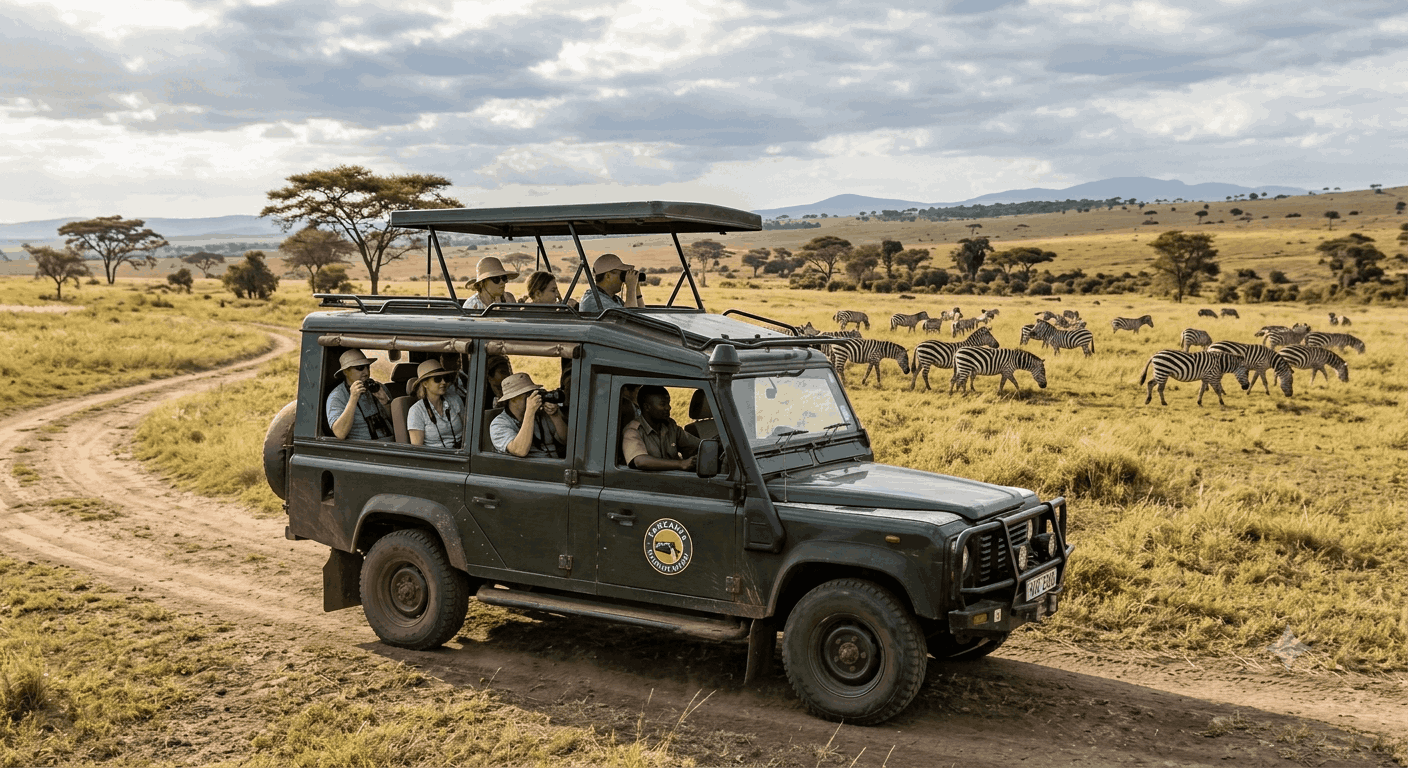
The quality of your safari experience is often directly tied to the expertise and reliability of your chosen tour operator. A professional provider does more than just supply a vehicle; they bring deep regional knowledge, skilled guides, and a commitment to safety that defines your daily comfort. When searching for a partner for your Tanzania wildlife safari, look for organizations that are members of reputable associations like the Tanzania Association of Tour Operators, as this indicates a commitment to professional standards and ethical tourism practices. Inquire about the credentials of their guides, as these individuals act as the eyes and ears of your journey, interpreting animal behavior and maneuvering vehicles to provide you with the best sightlines without disturbing the wildlife. Transparency in pricing, well-maintained fleets, and a clear, customized itinerary are hallmarks of a superior operator, ensuring that your investment translates into a high-quality, stress-free adventure.
Preparing for the African Wilderness
Preparation for your safari extends beyond selecting the right park or operator; it involves practical considerations that keep you comfortable and safe in the field. Essential items for a Tanzania wildlife safari should include lightweight, neutral-colored clothing that protects you from the sun and minimizes the attraction of biting insects. Layering is key, as the temperatures in the high-altitude regions of the Ngorongoro Crater can drop significantly before sunrise, only to soar by midday. Packing a high-quality pair of binoculars and a camera with a robust zoom lens is highly recommended, as wildlife is often spotted at a distance, and the ability to capture those moments up close is invaluable. Furthermore, ensure you have secured the necessary travel documentation, including any required vaccinations and comprehensive travel insurance, to handle the unpredictability of remote travel. Staying hydrated and following the instructions of your guides regarding conduct around wildlife will ensure that you remain both healthy and safe throughout your expedition.
Embracing the Spirit of Conservation
As you engage with the stunning wildlife of Tanzania, you will likely gain a deeper appreciation for the delicate balance of these ecosystems. Many modern safari experiences focus on sustainable tourism, emphasizing the importance of leaving a minimal footprint and supporting local communities. By choosing operators that contribute to anti-poaching initiatives or community-led conservation projects, you become an active participant in protecting these habitats for future generations. This ethical approach adds a layer of depth to your safari, allowing you to understand the broader challenges facing African wildlife and the heroic efforts being made to secure their future. Every dollar spent on a well-planned trip helps keep these protected areas viable, fostering a cycle of support that benefits both the environment and the people who live alongside these magnificent creatures.
Finalizing Your Safari Itinerary
Once you have established your dates and chosen a partner, refining your itinerary becomes the final step in the planning process. Balance your time between high-traffic areas like the Serengeti and quieter corners that offer a more remote feel. Consider incorporating walking safaris, which allow you to observe the smaller details of the savannah that are often missed from the confines of a vehicle. Ensure your schedule allows for downtime, as the early morning starts and long days in the sun can be physically demanding. Discuss your specific interests with your operator, whether you are a birding enthusiast, a photography aficionado, or someone interested in learning about the local cultures of the Maasai or Hadzabe people. A well-structured plan will provide a rhythm to your travel, blending excitement with relaxation to ensure you return home feeling truly refreshed and inspired by the natural world.
Conclusion and Your Next Steps
Embarking on a Tanzania wildlife safari is an endeavor that promises to change your perspective on the natural world forever. From the thunderous hooves of the Great Migration to the silent gaze of a leopard in an acacia tree, the wonders you will encounter are unmatched in their intensity and beauty. Planning this adventure with care, from choosing the right season to finding a trusted guide, is the key to unlocking the full potential of your trip. As you look toward the horizon of your future travels, consider how these experiences will enrich your life and the lives of those you share your stories with. If you are feeling ready to begin the process of turning this dream into a tangible itinerary, now is the perfect time to reach out to a professional safari specialist to start discussing your specific needs and preferences. With all the information at your disposal, what specific part of the Tanzanian wilderness are you most eager to discover first?