In today’s fast-paced manufacturing and logistics industries, efficiency, speed, and cost-effectiveness are paramount. One essential tool that has transformed the bedding and furniture sector is the Mattress Packaging Machine. This specialized equipment not only streamlines operations but also improves product safety during transportation. Understanding how to leverage a Mattress Packaging Machine can provide businesses with a competitive edge and optimize operational workflows.
Understanding the Importance of Mattress Packaging Machines
The mattress industry faces unique challenges, particularly in storage, transport, and customer delivery. Mattresses are bulky, difficult to handle, and susceptible to dirt and damage. Manual packaging methods are inefficient, time-consuming, and often result in higher shipping costs. A Mattress Packaging Machine addresses these challenges by compressing, wrapping, and sealing mattresses automatically, making them easier to handle, store, and transport.
A high-quality Mattress Packaging Machine provides consistent packaging standards, reduces labor costs, and improves overall operational efficiency. By minimizing human intervention, businesses can reduce errors, ensure hygiene, and enhance customer satisfaction.
Key Features of a Mattress Packaging Machine
To select the right machine, it is crucial to understand its core features:
Automatic Compression System: Modern Mattress Packaging Machine models compress mattresses efficiently without compromising quality. They use hydraulic or pneumatic systems to reduce mattress volume, making transportation easier and less costly.
Durable Wrapping Materials: These machines typically utilize high-quality plastic films or biodegradable wraps to protect mattresses from moisture, dust, and damage during shipment.
User-Friendly Interface: Advanced models come with intuitive control panels, making it easy for operators to adjust compression levels, wrap tightness, and sealing methods according to mattress size and type.
Versatility: A reliable Mattress Packaging Machine can handle various mattress sizes and types, including memory foam, spring, and hybrid mattresses, ensuring compatibility across product lines.
Reduced Labor Costs: By automating packaging, businesses save on manual labor expenses while increasing the speed of operations.
How a Mattress Packaging Machine Improves Supply Chain Efficiency
Integrating a Mattress Packaging Machine into the production line has a significant impact on supply chain efficiency.
Faster Turnaround Time: Automated packaging drastically reduces the time required to prepare mattresses for shipment. This enables manufacturers to meet tight deadlines and respond to market demands quickly.
Lower Shipping Costs: Compressed and neatly packaged mattresses occupy less space during transportation. This reduces shipping volume and lowers freight costs.
Minimized Product Damage: Automated packaging ensures uniform wrapping, which protects mattresses from scratches, dirt, and moisture during transit. This directly translates into fewer returns and higher customer satisfaction.
Streamlined Warehouse Management: Space efficiency is crucial in storage facilities. A compressed, well-packaged mattress occupies less warehouse space, enabling better inventory management and easier handling.
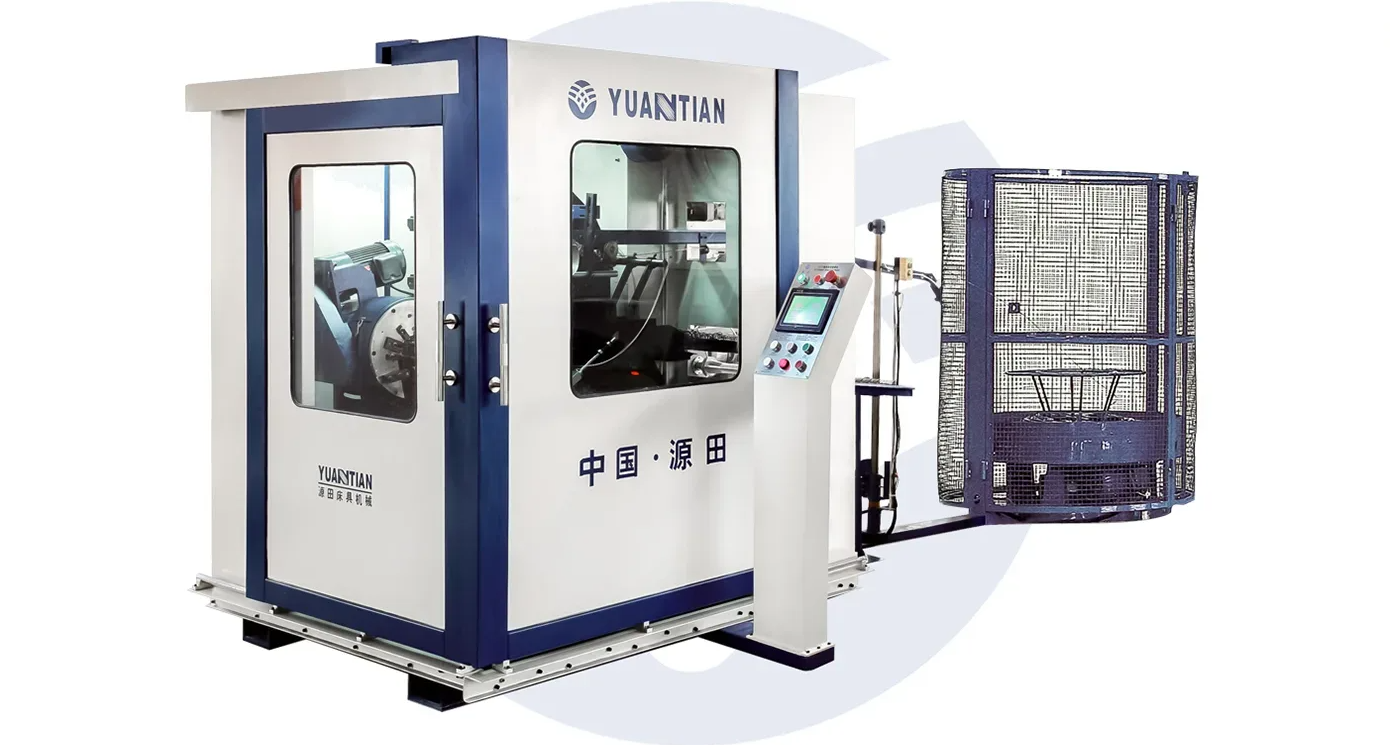
How to Choose the Right Mattress Packaging Machine
Selecting the ideal Mattress Packaging Machine requires careful consideration of several factors:
Production Volume: High-volume manufacturers need machines with faster processing capabilities, while smaller businesses may opt for semi-automatic or compact models.
Mattress Dimensions: Consider the maximum and minimum mattress sizes the machine can handle. Ensure the equipment is compatible with your product range to avoid frequent adjustments or limitations.
Material Compatibility: Evaluate the types of wrapping materials the machine supports. Using high-quality and durable film ensures long-lasting protection for mattresses.
Energy Efficiency: Modern machines are designed to consume less energy while maintaining performance. Investing in energy-efficient equipment reduces operational costs and aligns with sustainable practices.
Ease of Maintenance: Machines with accessible components and automated diagnostics reduce downtime and maintenance expenses.
Cost vs. ROI: While upfront costs may vary, consider the long-term savings in labor, shipping, and product protection. A well-chosen Mattress Packaging Machine can pay for itself in a short period.
Steps to Implement a Mattress Packaging Machine in Your Workflow
Successfully integrating a Mattress Packaging Machine requires strategic planning:
1. Assess Current Workflow: Identify bottlenecks in your existing packaging process and determine where automation will have the greatest impact.
2. Train Staff: Even automated machines require skilled operators. Provide training on machine operation, safety protocols, and troubleshooting procedures.
3. Optimize Layout: Place the machine in a location that aligns with the production line for seamless mattress movement from manufacturing to packaging.
4. Monitor Performance: Track key performance indicators such as packaging speed, material usage, and downtime. This data helps fine-tune operations for maximum efficiency.
5. Regular Maintenance: Schedule routine maintenance to prevent mechanical failures and ensure consistent performance. This includes checking hydraulic systems, film rollers, and sensors.
How a Mattress Packaging Machine Supports Sustainability Goals
Sustainability has become a key priority in modern manufacturing. A Mattress Packaging Machine contributes to eco-friendly operations in several ways:
Reduced Material Waste: Automated wrapping ensures precise material usage, reducing excess plastic and packaging waste.
Energy Efficiency: Modern machines use less energy, contributing to lower carbon footprints for businesses.
Reusable or Biodegradable Packaging: Some machines support environmentally friendly films, helping companies align with green initiatives.
How Technology Enhancements Are Shaping Mattress Packaging Machines
The latest innovations in Mattress Packaging Machine technology focus on automation, speed, and intelligence:
Smart Sensors: Machines equipped with sensors adjust compression and wrapping parameters automatically for optimal packaging.
Remote Monitoring: Some models allow managers to track machine performance remotely, facilitating predictive maintenance and real-time adjustments.
AI Integration: Artificial intelligence helps optimize wrapping patterns and detect defects, ensuring consistent quality.
Industry Trends: The rise of e-commerce and online mattress sales has increased the demand for compact, protective packaging, making Mattress Packaging Machine an essential tool for modern manufacturers.
Benefits of Investing in a Mattress Packaging Machine
Businesses that adopt a Mattress Packaging Machine experience multiple advantages:
Increased Productivity: Automating the packaging process reduces manual work and accelerates production cycles.
Enhanced Product Protection: Consistent, tight wrapping ensures mattresses remain clean, intact, and presentable.
Cost Savings: Reduced labor, lower shipping volume, and minimized returns result in significant financial benefits.
Improved Customer Experience: Well-packaged mattresses reach customers in pristine condition, enhancing brand reputation.
Future-Proof Operations: With scalability and technology integration, investing in a Mattress Packaging Machine prepares businesses for growing demand and evolving market needs.
Conclusion
For mattress manufacturers and distributors, leveraging a Mattress Packaging Machine is no longer optional but essential. It transforms packaging processes, optimizes supply chains, and supports sustainability initiatives while delivering measurable cost savings. By understanding the features, implementation strategies, and technological advancements of these machines, businesses can ensure a competitive advantage in the mattress industry. Adopting a high-quality Mattress Packaging Machine not only improves operational efficiency but also elevates the overall customer experience, making it a vital investment for long-term success.