Ensuring optimal canine health is one of the most rewarding responsibilities a pet owner can undertake. Our dogs are more than just companions; they are integral members of our families whose quality of life depends entirely on the care we provide. A proactive approach to canine health involves a blend of preventative medicine, nutritional awareness, regular physical activity, and vigilant observation. By understanding the specific needs of your dog, you can foster an environment where they thrive physically and mentally. This guide aims to empower you with the knowledge necessary to navigate the complexities of pet wellness, helping you identify potential issues early and maintain a vibrant, joyful life for your four legged friend. The journey toward better canine health begins with small, consistent actions that yield significant long term benefits for your pet.
Prioritizing Nutrition And Physical Activity For Canine Health
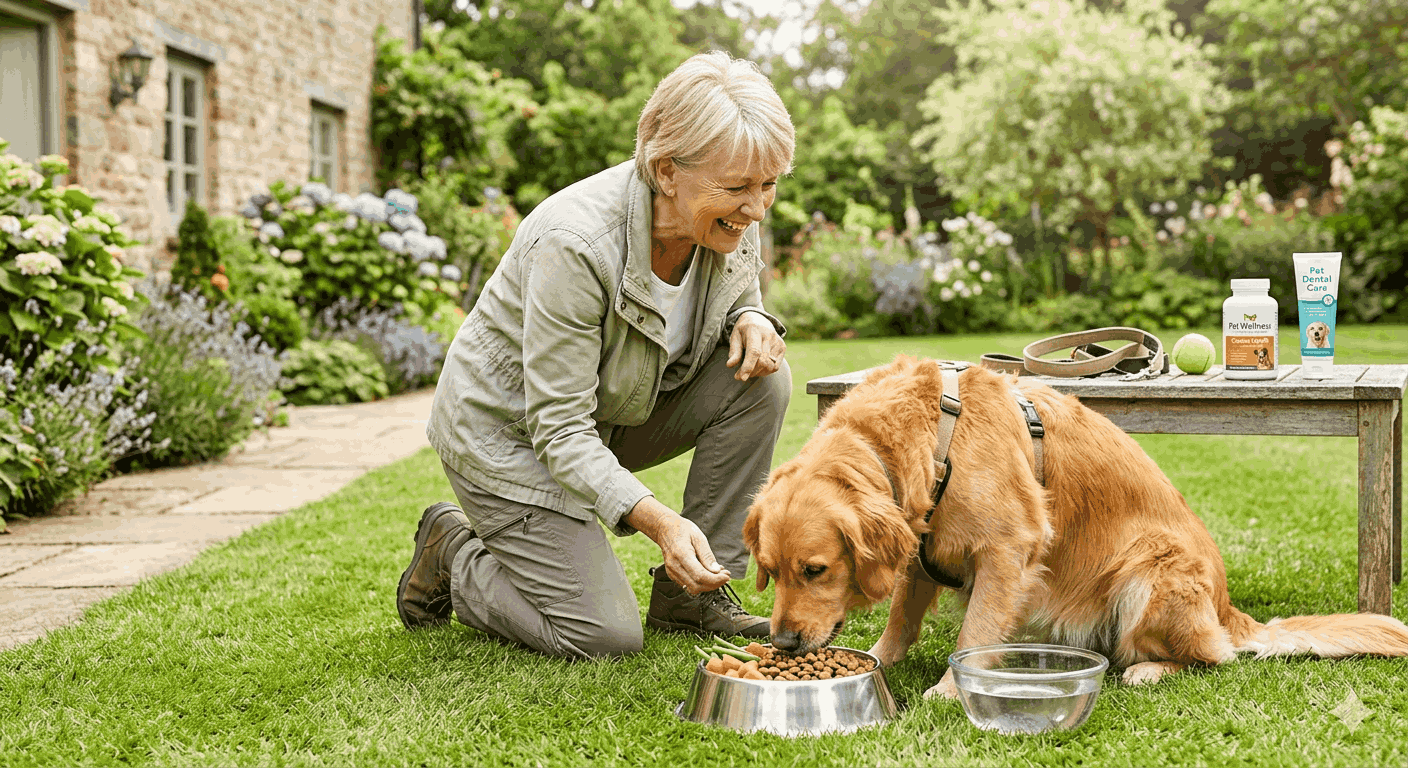
The foundation of robust canine health is rooted in what you put into your dog's bowl and how you encourage them to move. Nutrition plays a pivotal role in every aspect of a dog's well being, from the quality of their coat to the strength of their immune system. Choosing a high quality diet that is appropriate for your dog's specific age, breed, and activity level is essential. Many commercial foods are tailored to meet these unique requirements, but it is always wise to consult with a veterinarian to determine the most effective nutritional plan. Avoid feeding your dog human scraps, as many common foods can be toxic or lead to obesity. Obesity is a significant concern in canine health, contributing to joint issues, diabetes, and heart disease. Alongside proper nutrition, daily physical activity is mandatory. Regular walks, play sessions, and mental stimulation help maintain a healthy weight, build muscle tone, and provide the social enrichment that dogs crave. Whether your dog enjoys a vigorous game of fetch or a leisurely stroll through the neighborhood, staying active ensures that their cardiovascular system remains strong and their joints stay flexible. Consistency in exercise routines also helps manage anxiety and prevents destructive behaviors that often stem from boredom or pent up energy.
Implementing A Preventive Strategy For Routine Canine Health
Preventative care is the most effective way to protect your pet from common ailments and ensure a long, healthy life. Scheduling regular wellness examinations with your veterinarian is critical, even if your dog appears to be in perfect shape. These checkups allow professionals to detect subtle changes in your dog's physiology before they escalate into serious health conditions. Vaccinations are another essential component of canine health, providing necessary immunity against infectious diseases like rabies, distemper, and parvovirus. Furthermore, maintaining a strict regimen for flea, tick, and heartworm prevention is non negotiable in most climates. Parasites not only cause physical discomfort and skin irritation, but they can also transmit dangerous diseases that jeopardize your dog's internal systems. By staying ahead of these risks, you significantly reduce the burden on your dog's body and minimize the likelihood of costly and stressful medical interventions. Oral health is frequently overlooked, yet it is a major pillar of overall canine health. Dental disease can lead to infections that impact the heart and kidneys, so incorporating regular teeth brushing or dental chews into your daily routine is a smart investment in your dog's systemic health. Monitoring their weight, coat quality, and energy levels between visits will also help you provide your veterinarian with the necessary information to make informed decisions about your pet's care.
Recognizing Behavioral Changes As Indicators Of Canine Health
Dogs are masters at masking pain and discomfort, which is a survival instinct carried over from their ancestors. Consequently, as a responsible owner, you must become an expert observer of your pet's behavior to monitor their canine health effectively. Subtle shifts in your dog's personality or routine are often the first signs that something is wrong. For instance, a sudden decrease in appetite, lethargy, difficulty rising after rest, or unexplained withdrawal from social interaction can all be indicators of underlying pain or illness. Changes in drinking or elimination habits should also be treated as potential red flags. If you notice your dog is constantly licking a specific area, scratching excessively, or showing new signs of aggression, these may be symptoms of dermatological issues, allergies, or chronic pain. Maintaining a journal of your dog's daily habits can be incredibly useful when communicating with your veterinarian. Being able to describe exactly when a behavior started and what, if any, environmental factors changed can help your vet reach an accurate diagnosis much faster. Understanding the nuance of your dog's unique personality allows you to act quickly when they are not acting like themselves, which is the cornerstone of effective, compassionate care. Engaging in regular grooming sessions is another excellent way to check for physical abnormalities like lumps, bumps, or tender spots while simultaneously strengthening the bond between you and your dog.
Fostering Long Term Wellness Through Dedicated Attention
Achieving and maintaining excellent canine health is not a singular event but a lifelong commitment that evolves as your dog moves through different life stages. From the boisterous energy of a puppy to the slower, more methodical pace of a senior dog, your care strategies must adapt to meet their changing needs. Senior dogs, in particular, benefit from modified exercise intensity, specialized diets that support joint health, and more frequent veterinary monitoring. By dedicating yourself to the holistic well being of your pet, you are not just ensuring their longevity; you are ensuring that their years with you are filled with comfort and happiness. Consistency, patience, and a proactive mindset are your best tools in this endeavor. Whether it is keeping up with annual booster shots, carefully measuring their food to avoid overfeeding, or simply spending quality time together to monitor their mood, your efforts make a world of difference. We encourage you to schedule a wellness check for your dog this week if it has been more than six months since their last visit. Discuss any observations you have made with your vet and refine your care plan accordingly. Your proactive engagement is the greatest gift you can provide for your canine companion, ensuring that they enjoy a life of vitality and joy.