The sweeping savannas of the Serengeti, the rhythmic thundering of a million hooves during the Great Migration, and the mist-shrouded volcanic peaks where mountain gorillas roam are not just scenes from a documentary. They are the daily reality in one of the most biodiverse regions on the planet. When travelers begin researching East Africa safari packages, they often find themselves overwhelmed by the sheer scale of the landscape and the diversity of experiences available. Choosing the right package is a delicate balance of timing, geography, and personal interest. This guide serves as a comprehensive resource to help you navigate the complexities of planning an African expedition, ensuring that your journey is as seamless as it is spectacular.
The Geographic Diversity of East African Safaris
East Africa is a vast region primarily defined by its diverse ecosystems, ranging from the white sand beaches of the Indian Ocean to the jagged peaks of the Rwenzori Mountains. Most East Africa safari packages focus on three main countries: Kenya, Tanzania, and Uganda. Each of these nations offers a distinct flavor of adventure.
Tanzania is home to the world-famous Serengeti National Park and the Ngorongoro Crater. It is often the top choice for travelers seeking vast, open plains and high concentrations of predators. Kenya, the birthplace of the modern safari, offers the iconic Masai Mara and a well-developed tourism infrastructure that makes it highly accessible for families and first-time visitors. Uganda and Rwanda are the premier destinations for primate trekking, where the dense rainforests provide a sanctuary for endangered mountain gorillas and chimpanzees. Understanding these regional differences is the first step in selecting a package that aligns with your bucket list.
Understanding the Great Migration Cycle
One of the primary drivers for East Africa safari packages is the annual Great Migration. This event is often described as the greatest wildlife show on earth, involving over 1.5 million wildebeest and hundreds of thousands of zebras and gazelles. The movement is a continuous cycle dictated by rainfall and the search for fresh grazing land.
From July to October, the herds are typically in Kenya’s Masai Mara, crossing the treacherous Mara River where crocodiles lie in wait. From December to March, the action shifts to the southern Serengeti in Tanzania for the calving season. During this time, thousands of calves are born daily, attracting an intense amount of predator activity. If seeing the migration is your priority, your package must be meticulously timed and located to match the current position of the herds.
Primate Trekking and Rainforest Expeditions
While the savannas get most of the spotlight, the rainforests of East Africa offer a completely different and equally profound experience. Mountain gorilla trekking is a highly regulated activity that requires specific permits, often booked many months in advance. Unlike a traditional game drive where you remain in a vehicle, gorilla trekking involves hiking through thick vegetation and steep terrain.
The encounter is limited to a single hour to protect the health and social structure of the gorilla families. This experience is frequently combined with traditional savanna safaris to create a "best of both worlds" itinerary. Many high-end East Africa safari packages include domestic flights between the plains of Kenya or Tanzania and the forests of Uganda to minimize travel time and maximize wildlife viewing.
The Different Levels of Luxury and Comfort
When browsing East Africa safari packages, you will notice a wide range in pricing and accommodation styles. The industry generally categorizes trips into three tiers: budget, mid-range, and luxury. Each level provides a different way to experience the bush, and your choice will significantly impact your overall budget and comfort.
Budget safaris often involve staying in large, permanent campsites outside the park boundaries or using "pop-up" roof vans. While this is the most economical way to see the wildlife, it may involve longer drive times to reach the animals. Mid-range packages typically utilize comfortable lodges or "tented camps" that feature en-suite bathrooms and solid floors. These are often located inside the parks, providing a more immersive experience.
The Allure of Luxury Tented Camps
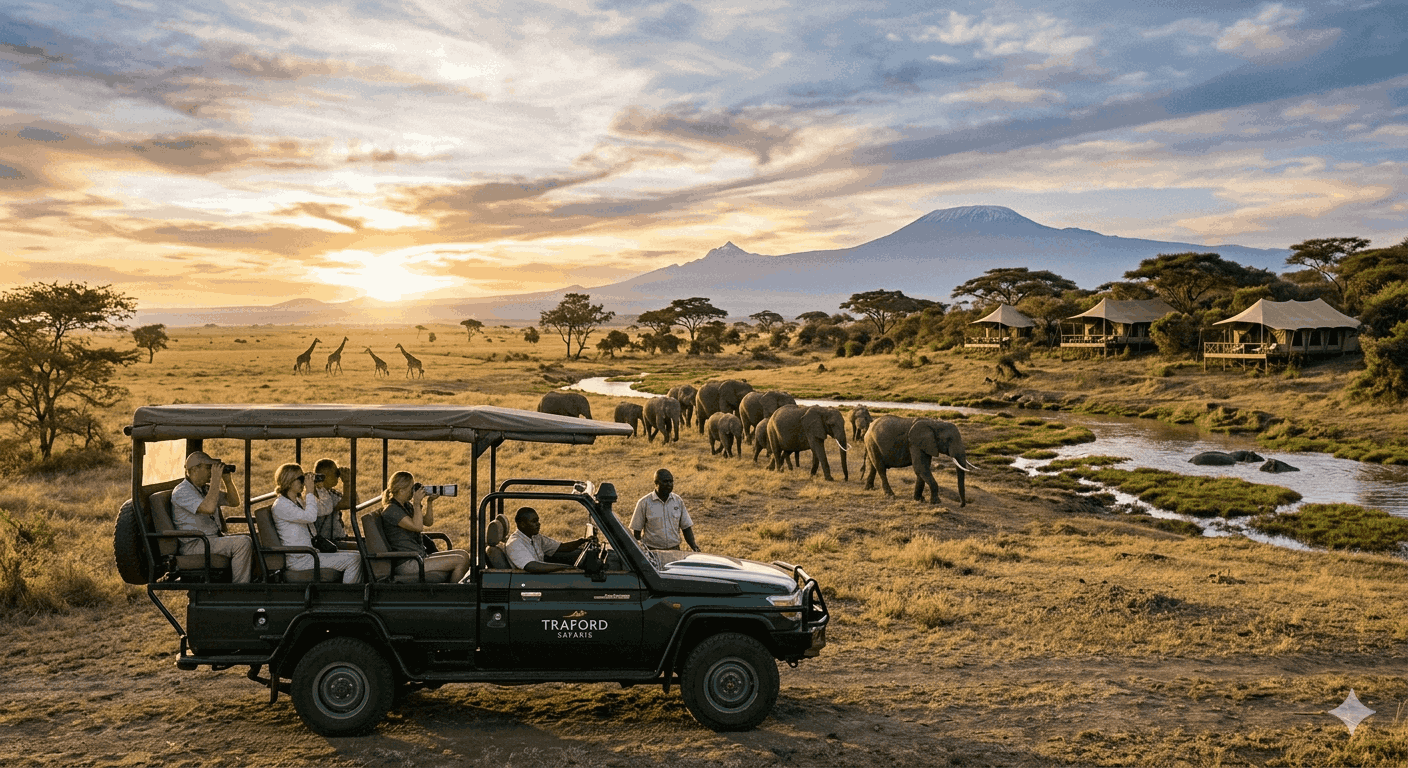
Luxury East Africa safari packages take the experience to a whole new level. These accommodations are often situated in private concessions, which are areas of land leased from local communities. Staying in a private concession allows for activities not permitted in national parks, such as night drives and walking safaris.
Luxury camps are designed to provide a "glamping" experience, where canvas walls and wooden decks are paired with fine dining, plunge pools, and personalized butler service. The focus here is on exclusivity and a high guide-to-guest ratio. Expert guides in the luxury sector are often highly trained naturalists who can provide deep insights into animal behavior, botany, and local culture.
Planning for Family Safaris
Traveling with children requires a specific type of planning. Not all lodges are child-friendly, and some have age restrictions for safety reasons, especially in areas with high predator density. Specialized family East Africa safari packages focus on lodges with family suites and "junior ranger" programs that educate children about conservation and animal tracking.
Safety is the paramount concern when traveling with minors. It is essential to choose packages that prioritize shorter game drives and lodges with fenced perimeters. Furthermore, Kenya and Tanzania have malaria-risk areas, so consulting a medical professional regarding vaccinations and prophylaxis is a critical part of the preparation process.
Essential Logistics and Travel Tips
The logistics of an African safari are more complex than a standard beach holiday. Most international travelers fly into Jomo Kenyatta International Airport in Nairobi or Kilimanjaro International Airport in Tanzania. From there, you might take small bush planes to reach remote airstrips located near your camp.
Pack Light and Right
Because many East Africa safari packages involve small aircraft, there are strict weight limits on luggage, often as low as 15 kilograms per person. Soft-sided bags are required because they need to fit into the cramped cargo holds of light planes.
In terms of clothing, the goal is to blend in and stay comfortable. Neutral colors like khaki, olive, and tan are recommended. Bright colors can distract the animals, and dark blue or black clothing can attract tsetse flies in certain areas. Layers are vital because the temperature can fluctuate wildly between a chilly early morning game drive and the midday heat.
Health and Documentation
Before booking any East Africa safari packages, you must check the entry requirements for each country. Visas are generally required for most Western travelers and can often be obtained online via e-visa portals. A yellow fever vaccination certificate is mandatory if you are traveling between certain African countries, such as moving from Kenya to Tanzania.
It is also wise to invest in comprehensive travel insurance that includes medical evacuation. The remote nature of the bush means that specialized transport might be necessary in the event of an emergency. According to Forbes, high-end travel planning often hinges on the quality of the insurance and the logistical support provided by the tour operator.
Cultural Interactions and Ethical Tourism
A great safari is not just about the animals; it is also about the people who call these landscapes home. Many East Africa safari packages offer the opportunity to visit local communities, such as the Maasai in Kenya or the Hadzabe in Tanzania. These interactions provide a window into traditional ways of life that have coexisted with wildlife for centuries.
Promoting Sustainable Travel
Ethical tourism is a major theme in modern African travel. Travelers are increasingly seeking out operators who prioritize conservation and community development. This includes lodges that run on solar power, eliminate single-use plastics, and employ a majority of their staff from the local villages.
When you book a package, ask about the operator's commitment to the environment. Does a portion of the fee go toward anti-poaching efforts? Does the lodge support local schools or clinics? According to Google, searches for sustainable travel options have seen a significant uptick as travelers become more conscious of their ecological footprint. Choosing a responsible operator ensures that the wildlife and communities you visit continue to thrive for future generations.
The Role of National Parks
National parks are the backbone of the safari industry. These protected areas are managed by government bodies to ensure that the delicate balance of the ecosystem is maintained. For instance, the Serengeti National Park is a UNESCO World Heritage site, recognized for its immense ecological value. You can find more technical definitions of biodiversity and conservation efforts on Wikipedia.
By paying park entrance fees, which are often included in your East Africa safari packages, you are directly contributing to the maintenance of these habitats. These funds pay for rangers, road maintenance, and wildlife research, making every tourist an active participant in conservation.
Conclusion and Final Thoughts
An East African safari is more than a vacation; it is a transformative journey that reconnects you with the natural world. Whether you are watching the sun set over the savanna with a drink in hand or quietly observing a family of gorillas in the emerald forests, the memories created here will last a lifetime. The key to a successful trip lies in selecting the right East Africa safari packages that match your expectations for comfort, adventure, and timing.
By considering factors like the Great Migration, the level of luxury, and the ethical impact of your travel, you can ensure that your expedition is both rewarding and responsible. The wild heart of Africa is waiting to be explored, and there has never been a better time to start planning your escape.
Ready to embark on the adventure of a lifetime? Start comparing the most reputable East Africa safari packages today and secure your place in the path of the Great Migration. Whether you seek the thrill of the hunt or the peace of the plains, your perfect African story begins with the first step of planning. Don't wait for the right moment to find you; go out and find it in the vast, beautiful reaches of East Africa.