Exploring New Zealand through self drive tours is a dream for many travelers. The freedom to set your own pace, visit hidden gems, and stop wherever your heart desires is unparalleled. However, while the idea of a self drive adventure is exhilarating, careful budgeting is crucial to ensure the trip remains enjoyable without unexpected financial stress. In this guide, we will explore practical strategies to budget smartly for New Zealand self drive tours, helping you get the most out of your journey while keeping costs under control.
Understanding the Costs of New Zealand Self Drive Tours
Before diving into budgeting strategies, it is important to understand the main cost components of New Zealand self drive tours. Several key expenses will shape your budget:
-
Car or Campervan Rental
One of the biggest expenses for self drive tours is vehicle rental. Depending on your choice, costs can vary significantly. Standard cars are usually cheaper and more fuel-efficient, but campervans combine transportation and accommodation, offering convenience but at a higher daily rate. Seasonal demand also affects prices; summer months are peak season in New Zealand, which can dramatically increase rental rates. -
Fuel and Road Tolls
Fuel is another variable expense. New Zealand has extensive, scenic roads that may require long drives between attractions, so fuel costs can add up. While there are few toll roads, some routes near Auckland and Wellington require payment. Factoring these into your budget is essential. -
Accommodation
Accommodation choices range from budget hostels and holiday parks to luxury lodges. While staying in campervans allows flexibility, it may limit comfort, especially in colder months. Booking in advance can often secure better rates, particularly during tourist high seasons. -
Food and Dining
New Zealand’s culinary scene is diverse, but dining out frequently can strain your budget. Many travelers opt to cook meals in their campervan or buy groceries to save money while still experiencing local flavors. -
Activities and Attractions
While many of New Zealand’s landscapes are free to explore, certain experiences, such as guided tours, adventure sports, or entrance fees to parks, require additional spending. Prioritizing the activities that matter most can help manage costs effectively.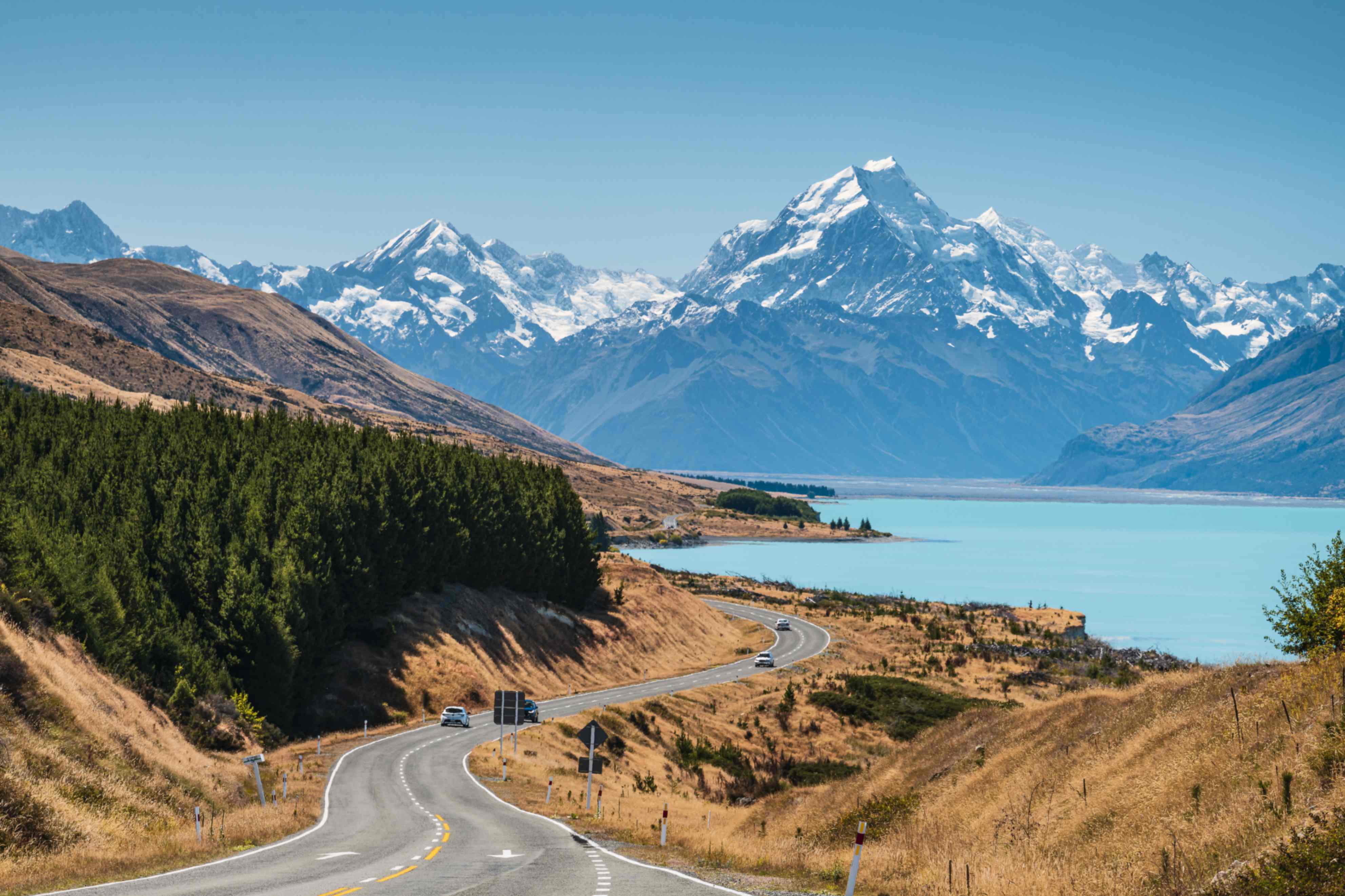
Understanding these components gives you a clear framework to start your budgeting process, ensuring you do not underestimate the costs involved in New Zealand self drive tours.
Planning Your Itinerary Strategically
One of the most effective ways to control expenses on New Zealand self drive tours is careful itinerary planning. Thoughtful planning can reduce both time and money spent on the road.
Choose Routes Wisely
New Zealand has two main islands, the North Island and South Island, each offering unique experiences. The South Island is renowned for its dramatic landscapes, including fjords, mountains, and glaciers, whereas the North Island features geothermal wonders, cultural sites, and vibrant cities. Planning routes that minimize backtracking will save on fuel costs and reduce driving fatigue.
Prioritize Free and Low-Cost Activities
Many of New Zealand’s natural wonders, such as beaches, lakes, and national parks, are free to enjoy. Hiking trails, scenic lookouts, and public gardens offer memorable experiences at minimal cost. Incorporating these into your itinerary allows you to balance splurge activities with cost-effective options, keeping your budget in check.
Consider Seasonal Variations
Visiting during off-peak seasons can save money on accommodations and rentals. Spring and autumn offer pleasant weather and fewer tourists, which often translates into better rates. Avoiding school holidays or national holidays can also reduce expenses.
By carefully planning your itinerary, you can not only save money but also ensure a smoother, more enjoyable travel experience on your New Zealand self drive tours.
Smart Accommodation Choices
Accommodation is one of the biggest budgetary factors in self drive tours. Making informed choices here can significantly impact your overall trip cost.
Campervans vs Hotels
Campervans provide both transport and lodging, which can save money if you plan to stay in holiday parks or campsites. They also offer flexibility, letting you stay closer to nature and avoid expensive hotel areas. However, they may incur additional costs for fuel and campsite fees.
Hotels, hostels, and motels offer comfort but often at a higher price point. Booking early can secure discounts, especially during peak season. Mixing different types of accommodation, such as a few hotel nights in major cities combined with campervan stays in scenic areas, can create a balanced approach.
Holiday Parks and Campsites
New Zealand has an extensive network of holiday parks and Department of Conservation (DOC) campsites. DOC campsites are particularly affordable, often costing under NZD 15 per night, providing basic facilities like toilets and water access. Holiday parks offer more amenities and can range from NZD 25 to NZD 50 per night.
Booking Strategies
Utilize apps and websites that allow comparison of prices for accommodations and campervans. Booking in advance ensures better rates, but some travelers may benefit from last-minute deals in low season. Combining strategic booking with flexible travel plans can maximize savings without compromising comfort.
Managing Fuel and Food Costs
Fuel and food expenses are recurring costs that can add up quickly during New Zealand self drive tours. Adopting smart strategies in these areas will allow you to travel longer without exceeding your budget.
Fuel Efficiency and Planning
Choosing a fuel-efficient vehicle can significantly reduce costs. Planning your daily driving distance and refueling in larger towns rather than small, remote areas will save money, as fuel prices tend to be higher in isolated locations. Tracking mileage and fuel consumption also helps keep the budget under control.
Cooking Your Own Meals
Self-catering is one of the most effective ways to save on food. Stocking up on groceries in supermarkets rather than dining out at restaurants frequently reduces expenses. Many campervans come equipped with a small kitchen, allowing travelers to cook simple meals. Even preparing breakfast and lunch while dining out only for dinner can cut costs substantially.
Smart Dining Out
When choosing to dine out, consider local cafés, food trucks, and casual eateries, which often offer excellent quality at lower prices than tourist-focused restaurants. Sampling local produce and meals can also be a memorable part of the travel experience without breaking the bank.
By combining fuel-saving tactics with smart food choices, you can manage two of the largest recurring expenses on your New Zealand self drive tours, stretching your budget further.
Preparing for Unexpected Expenses
Even with careful planning, unforeseen costs can arise during self drive tours. Setting aside a contingency fund ensures peace of mind and prevents stress from unplanned expenses.
Travel Insurance
Travel insurance is essential, covering not only medical emergencies but also vehicle accidents, theft, or cancellations. While it is an added upfront cost, it can save thousands in case of unforeseen incidents.
Vehicle Damage and Additional Fees
Rental agreements often include options for insurance or damage waivers. Carefully reviewing these terms can prevent surprise charges for minor scratches or mechanical issues. Understanding tolls, parking fees, and ferry costs is also necessary to avoid unexpected expenditures.
Contingency Fund
A recommended practice is to set aside at least 10 to 15 percent of your total trip budget as an emergency fund. This covers anything from car repairs to last-minute accommodation changes, ensuring your adventure continues smoothly.
Being proactive about unexpected costs allows travelers to enjoy their New Zealand self drive tours with confidence, knowing they are financially prepared for any eventuality.
Conclusion and Call to Action
Budgeting smartly for New Zealand self drive tours requires careful planning, thoughtful itinerary choices, strategic accommodation selection, and smart management of fuel and food expenses. By understanding the key cost components, planning efficiently, and preparing for unexpected expenses, travelers can enjoy a seamless and memorable adventure across New Zealand’s stunning landscapes.
Embarking on a self drive tour allows unparalleled freedom to explore at your own pace, and budgeting effectively ensures that the experience is as stress-free as it is breathtaking. Start by drafting a realistic budget, researching your route and accommodations, and incorporating cost-saving strategies without compromising your experience.
Your dream New Zealand self drive tour is within reach. Begin planning today, map out your itinerary, and set a budget that keeps both your wallet and your sense of adventure happy. The road awaits, and New Zealand is ready to reveal its wonders to you.