Introduction to the Precision of a Glass Edging Machine
In the realm of glass fabrication, the quality of the final product is defined not just by its clarity, but by the integrity of its edges. A raw, cut sheet of glass is inherently dangerous and structurally vulnerable, as microscopic chips along the border can lead to spontaneous breakage. This is where the glass edging machine becomes a vital component in any serious manufacturing operation. By smoothing, shaping, and polishing the borders of glass panels, this equipment transforms potentially hazardous materials into safe, ready-to-use products for windows, furniture, and architectural installations. As an expert in industrial production, I have seen firsthand how the right glass edging machine can elevate a company from a basic workshop to a premium supplier. This article will examine the mechanical importance of edging, the types of systems available, and how you can optimize your facility to ensure consistent, high-quality output. Understanding this machine is essential for anyone looking to scale their business while maintaining rigorous safety and quality standards.
Understanding the Mechanical Process of a Glass Edging Machine
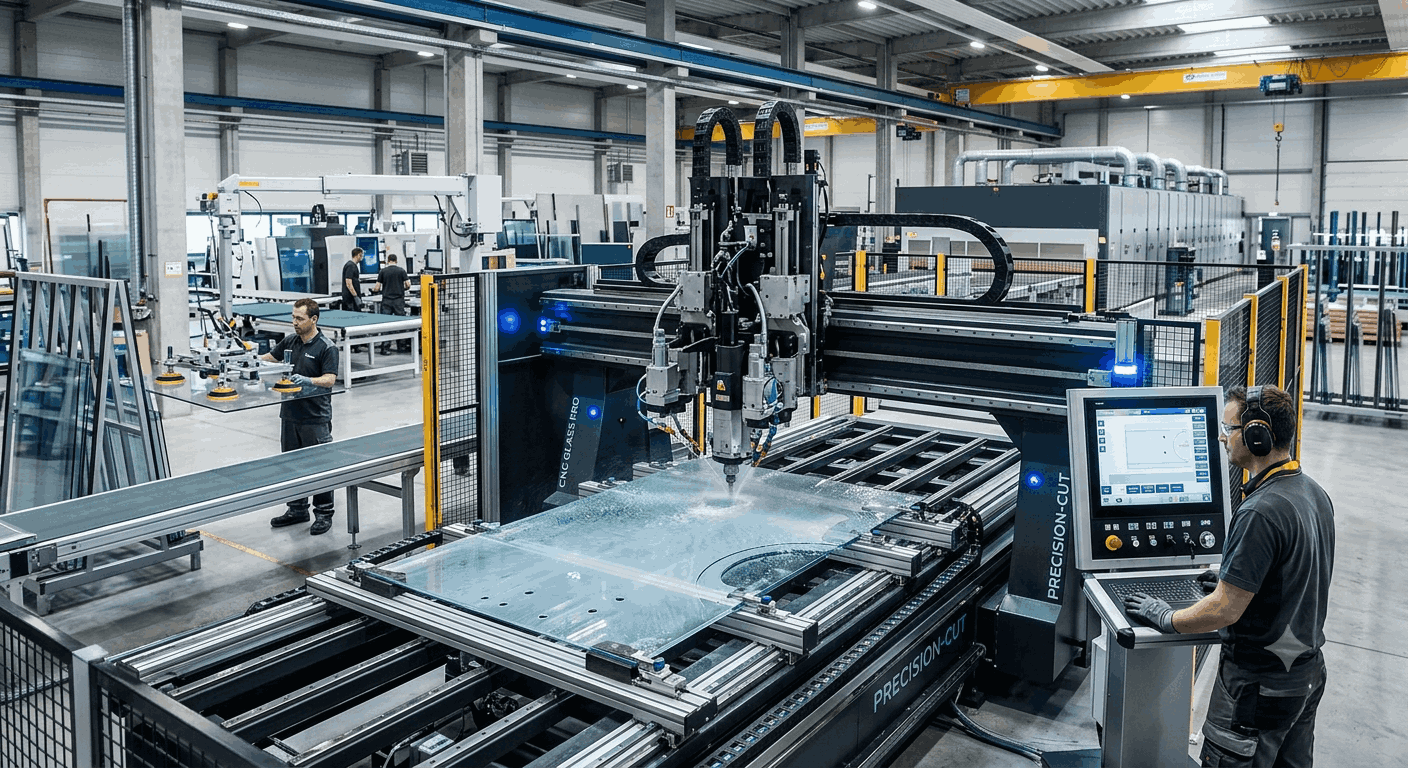
The primary function of a glass edging machine is to remove the sharp, uneven borders left behind by the initial cutting process. Depending on the requirements of the final application, this machine can produce various edge profiles, including flat, pencil, or beveled edges. At its core, a glass edging machine utilizes a series of diamond-impregnated grinding wheels that rotate at high speeds to abrade the glass surface. The process typically involves multiple stages: coarse grinding to shape the edge, followed by fine grinding and polishing to achieve a clear, smooth finish. Modern systems have introduced advanced automation, where the glass edging machine is integrated with computerized controls to handle irregular shapes and thicknesses without manual intervention. This technological leap allows manufacturers to process a higher volume of glass with greater precision, reducing the likelihood of human error. By ensuring that the grinding wheels are regularly maintained and correctly calibrated, operators can prevent common issues such as edge chipping or heat stress, both of which compromise the durability of the final glass product.
Optimizing Operational Throughput with a Glass Edging Machine
Efficiency in a factory is often measured by the speed and accuracy with which materials move through the production line. When integrating a glass edging machine into your facility, it is critical to consider the overall workflow. A common bottleneck occurs when the throughput of the edging station does not match the capacity of the cutting or tempering stations. To optimize your production, you should look for a glass edging machine that features variable speed controls and high-durability cooling systems. Proper cooling is paramount, as the intense friction generated during the grinding process can cause thermal shock. Furthermore, modern, high-speed glass edging machine models are designed for quick setup changes, which is beneficial for businesses that handle a diverse range of glass sizes and thicknesses. By investing in equipment that reduces changeover times, you ensure that your production line remains fluid and responsive to customer demand. Regularly auditing the output of your glass edging machine will also provide valuable data, allowing you to identify maintenance needs before they cause unexpected, costly downtime.
Strategic Investments in Durable Glass Edging Machine Equipment
The acquisition of a new glass edging machine is a significant investment that impacts the long-term profitability of your organization. When choosing the right model, do not focus solely on the initial capital expenditure; instead, consider the total cost of ownership, which includes maintenance, energy usage, and the availability of replacement grinding components. A robust glass edging machine should be built with corrosion-resistant materials to withstand the constant exposure to the water and abrasive slurries used during the grinding process. Furthermore, as industry regulations around safety and aesthetics tighten, opting for a glass edging machine that provides high-quality polish is essential for satisfying the demands of architects and designers. You should also verify that the manufacturer provides comprehensive technical support and operator training. Because the glass edging machine is a complex piece of hardware, having a well-trained team that understands how to manage the equipment correctly is key to ensuring that your investment provides a high return over several years.
Conclusion and Driving Efficiency with Your Glass Edging Machine
In conclusion, the glass edging machine serves as a critical bridge between raw glass processing and the creation of high-value, safe, and attractive end products. By mastering the operational nuances of this technology, you position your business to deliver consistent quality that meets the expectations of your clients. Whether you are seeking to reduce waste, increase throughput, or simply enhance the finish of your glass pieces, the key lies in selecting equipment that aligns with your specific production needs and committing to a rigorous maintenance schedule. The future of manufacturing belongs to those who leverage precision tools to create superior products with efficiency. Start by conducting a thorough review of your current edging workflow and identify one specific area where a more capable glass edging machine or improved maintenance protocols could resolve existing limitations. Take the next step toward operational excellence by discussing your requirements with reputable equipment suppliers, and embrace the potential that high-precision glass edging machine technology brings to your facility.